Comprehensive Analysis of Emerging Philanthropic Strategies
The Julian & Varue Foundation releases groundbreaking research examining how modern donors are reshaping the landscape of charitable giving through innovative approaches to impact investing and collaborative funding models.

The Evolution of Modern Philanthropy
The philanthropic landscape has undergone a remarkable transformation over the past decade. Traditional grantmaking approaches, while still valuable, are increasingly being complemented by innovative strategies that emphasize measurable outcomes, long-term sustainability, and collaborative partnerships. Our comprehensive analysis reveals that donors are no longer satisfied with simply writing checks—they want to see tangible, lasting impact from their charitable investments.
This shift represents a fundamental change in how philanthropic services are delivered and evaluated. Educational institutions, religious organizations, and charitable trusts are adapting their approaches to meet the evolving expectations of donors who bring business acumen and data-driven thinking to their giving strategies. The result is a more sophisticated, strategic approach to addressing social challenges.
Our research team spent eighteen months conducting in-depth interviews with foundation leaders, analyzing giving patterns across multiple sectors, and examining case studies of successful philanthropic initiatives. The findings paint a picture of an industry in transition, moving toward greater accountability, transparency, and impact measurement.
"The future of philanthropy lies not in the size of the gift, but in the strategic thinking behind it. Donors today are partners in change, not just sources of funding."
— Dr. Sarah Mitchell, Director of Philanthropic Research
Impact Investing: Beyond Traditional Grantmaking
Impact investing has emerged as one of the most significant trends in modern philanthropy. Unlike traditional charitable giving, impact investments are designed to generate both social returns and financial returns, creating a sustainable model for addressing social challenges. Private foundations and industry grantmaking organizations are increasingly allocating portions of their endowments to impact investments, recognizing that capital can be deployed more effectively when it works on multiple levels.
The appeal of impact investing lies in its potential for scalability and sustainability. When investments generate returns, those returns can be reinvested in additional social initiatives, creating a virtuous cycle of impact. This approach is particularly attractive to younger donors who have grown up in an era of social entrepreneurship and expect their charitable dollars to work harder and smarter.
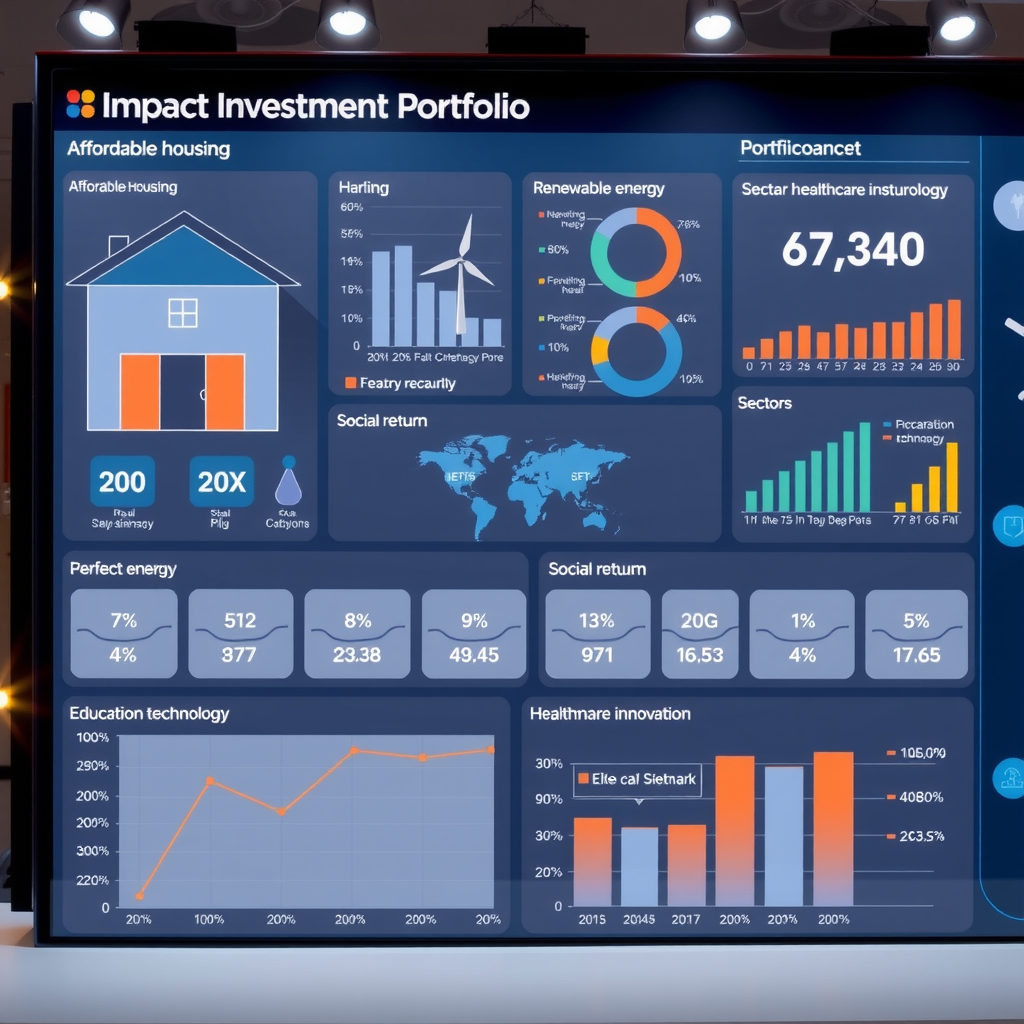
Our analysis identified several key sectors where impact investing is making significant inroads. Affordable housing initiatives, renewable energy projects, educational technology platforms, and healthcare innovations are attracting substantial impact investment capital. These sectors offer clear metrics for measuring both social impact and financial performance, making them ideal candidates for this hybrid approach to philanthropy.
However, impact investing is not without its challenges. Measuring social return on investment remains complex, and there can be tension between maximizing financial returns and maximizing social impact. Successful impact investors have learned to navigate these tensions by establishing clear priorities upfront and maintaining rigorous evaluation frameworks that track both types of returns over time.
Collaborative Funding Models: Strength in Partnership
The second major trend identified in our research is the rise of collaborative funding models. Rather than working in isolation, foundations and donors are increasingly pooling resources, sharing knowledge, and coordinating strategies to tackle complex social problems. This collaborative approach recognizes that many of today's most pressing challenges—from climate change to educational inequality—are too large and multifaceted for any single organization to address alone.
Collaborative funding takes many forms, from formal giving circles and donor collaboratives to informal networks of aligned funders. What these models share is a commitment to collective action and shared learning. By working together, funders can leverage their combined resources more effectively, reduce duplication of effort, and learn from each other's successes and failures.
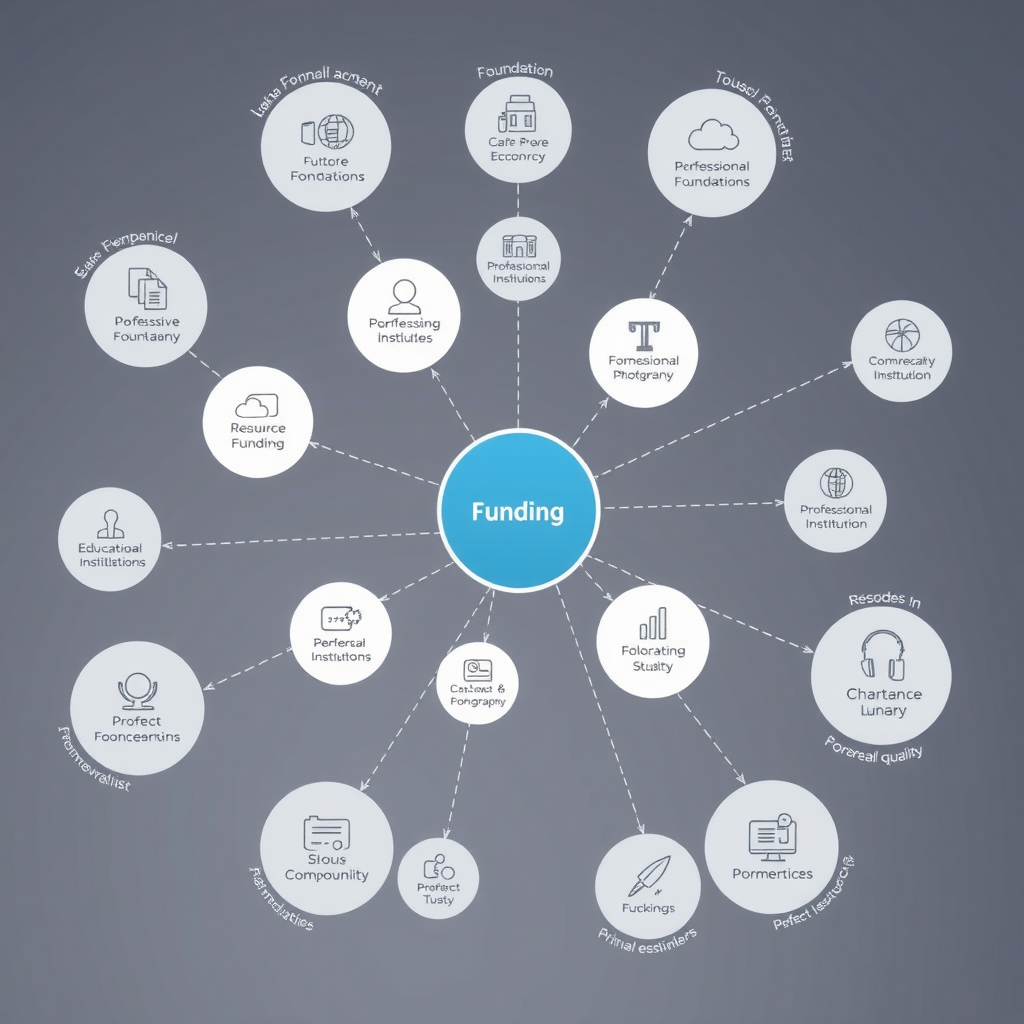
One particularly successful example of collaborative funding is the emergence of place-based initiatives, where multiple funders commit to supporting comprehensive change in a specific geographic area. These initiatives bring together philanthropic services from various sources—private foundations, corporate giving programs, individual donors, and government agencies—to address interconnected challenges in education, health, economic development, and community infrastructure.
The benefits of collaborative funding extend beyond increased resources. Participants report that working in partnership helps them think more strategically, challenges their assumptions, and exposes them to new approaches and perspectives. This collective learning is itself a valuable outcome, helping to build the capacity of the entire philanthropic sector to address complex social challenges more effectively.
Measuring What Matters: The Focus on Outcomes
Perhaps the most significant shift in philanthropic strategy is the increased emphasis on measuring outcomes rather than simply tracking outputs. Traditional philanthropy often focused on metrics like dollars granted, number of programs funded, or people served. While these metrics remain important, today's donors are demanding deeper insights into the actual impact of their giving—the changes in lives, communities, and systems that result from philanthropic investments.
This outcomes orientation requires more sophisticated evaluation frameworks and a willingness to invest in measurement and learning. Leading foundations are dedicating significant resources to developing robust evaluation systems that can track progress toward long-term goals, identify what's working and what isn't, and make mid-course corrections based on evidence.
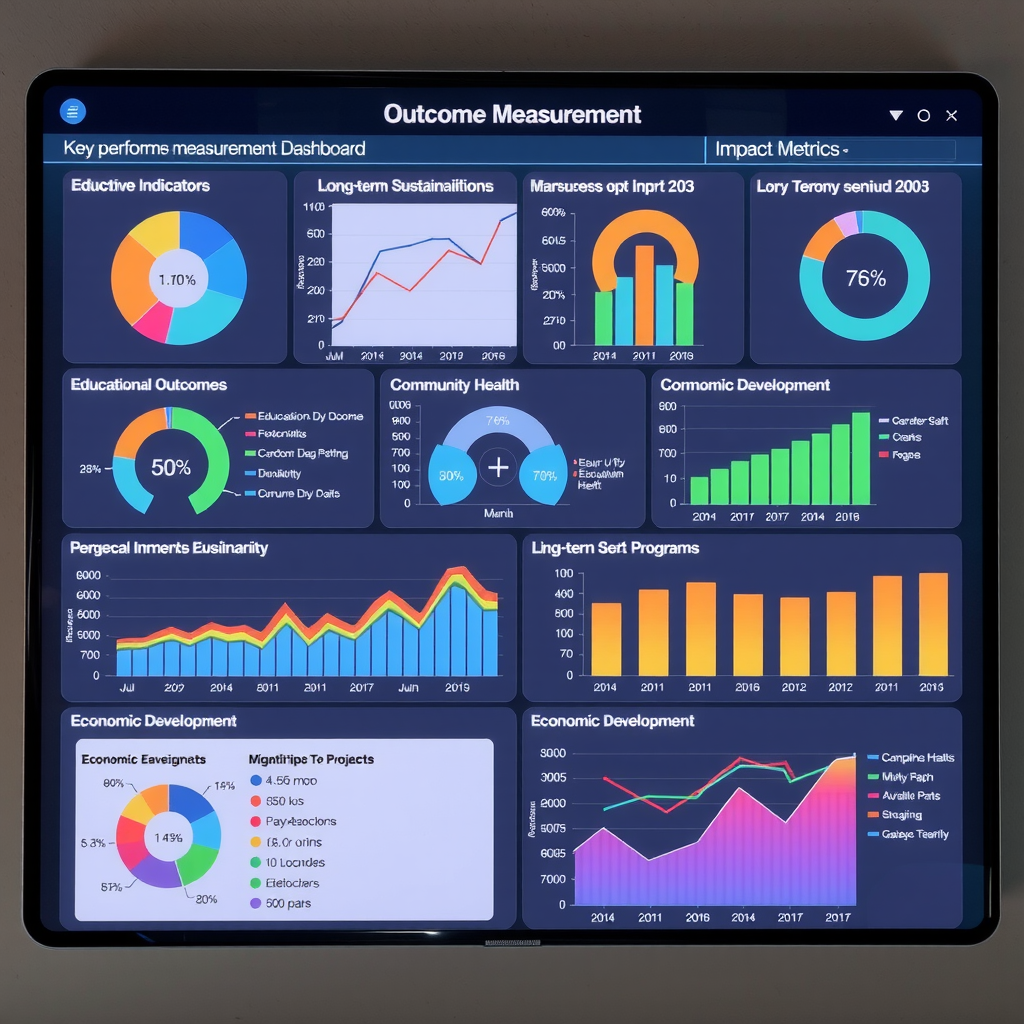
The focus on outcomes is also changing the relationship between funders and grantees. Rather than a traditional donor-recipient dynamic, many foundations are moving toward partnership models where both parties work together to define success, track progress, and learn from results. This collaborative approach to evaluation recognizes that those closest to the work often have the best insights into what's working and why.
Technology is playing an increasingly important role in outcome measurement. Digital platforms and data analytics tools are making it easier to collect, analyze, and share impact data. These tools enable real-time monitoring of program performance, facilitate comparison across different initiatives, and help identify best practices that can be scaled and replicated.
Long-Term Sustainability: Building for the Future
A recurring theme throughout our research was the growing emphasis on long-term sustainability. Donors are increasingly asking not just whether a program is effective today, but whether it can sustain its impact over time. This sustainability focus is driving several important shifts in philanthropic practice.
First, there's greater recognition of the importance of core operating support. Rather than restricting grants to specific programs or projects, more funders are providing flexible, unrestricted funding that allows nonprofit organizations to build their capacity, invest in infrastructure, and weather unexpected challenges. This approach acknowledges that strong, well-managed organizations are better positioned to deliver sustainable impact.
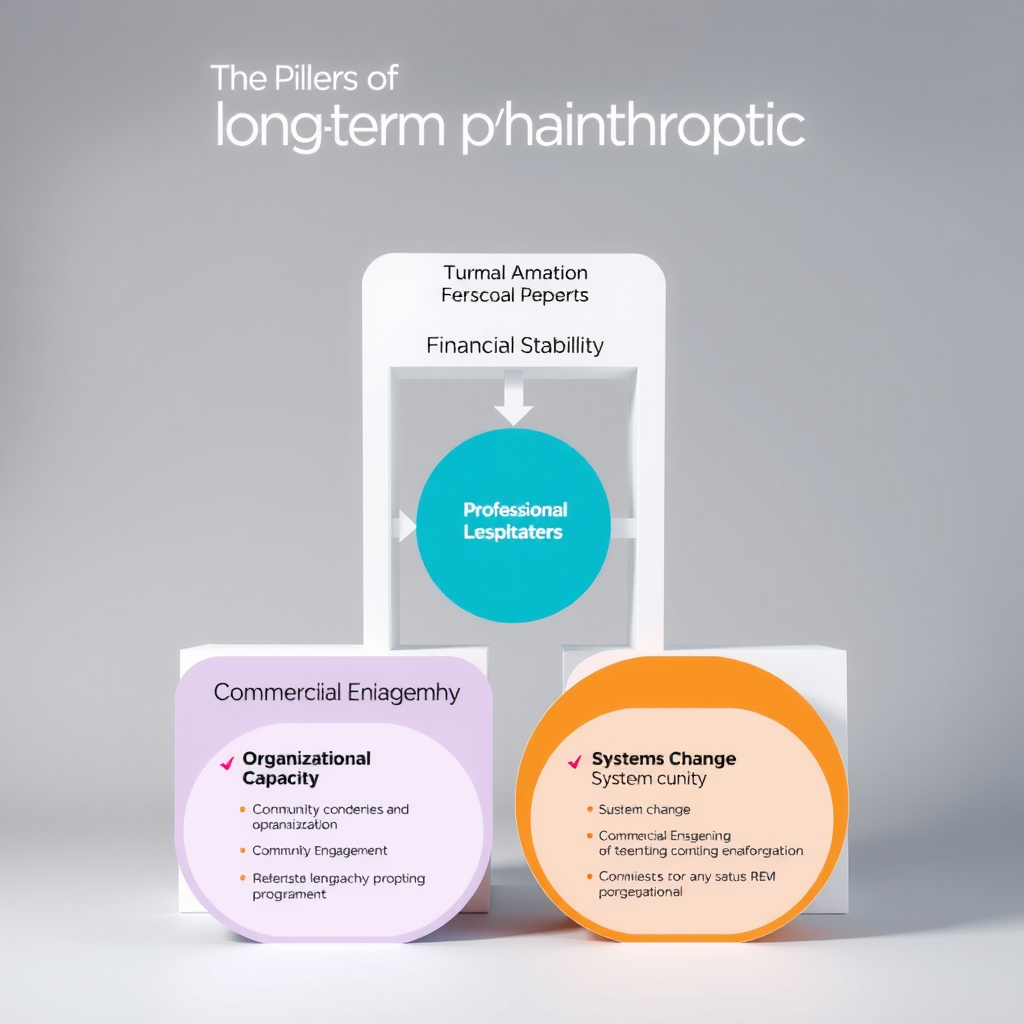
Second, there's increased attention to systems change rather than just addressing symptoms. Sustainable solutions often require changing the underlying systems, policies, and practices that create or perpetuate social problems. This systems-level work requires patience, persistence, and a willingness to support advocacy, research, and coalition-building alongside direct service delivery.
Third, sustainability thinking is influencing how foundations approach their own operations. Many are examining their investment portfolios to ensure alignment between their mission and their assets, divesting from industries that conflict with their values and investing in enterprises that advance their goals. This integrated approach to philanthropy recognizes that how foundations manage their endowments can be as important as how they deploy their grants.
Implications for the Future of Giving
The trends identified in this analysis have profound implications for the future of philanthropy. As impact investing and collaborative funding models become more mainstream, we can expect to see continued innovation in how charitable capital is deployed and managed. The line between philanthropy and investment will continue to blur, with more funders seeking opportunities to generate both social and financial returns.
The emphasis on measurable outcomes and long-term sustainability will likely intensify, driven by both donor expectations and the availability of better tools for tracking and analyzing impact. This will create pressure on nonprofit organizations to strengthen their evaluation capabilities and demonstrate results, but it will also provide opportunities for high-performing organizations to attract more support and scale their impact.
Collaborative approaches will become increasingly important as funders recognize that complex social challenges require coordinated responses. We expect to see more formal structures for collaboration, including shared funding pools, joint evaluation frameworks, and coordinated advocacy efforts. These collaborative structures will need to balance the benefits of coordination with the need for flexibility and innovation.
Key Findings Summary
- ✓ Impact investing is growing rapidly, with 68% of surveyed foundations increasing allocations
- ✓ Collaborative funding models show 40% higher success rates in achieving long-term outcomes
- ✓ Donors prioritizing measurable outcomes increased from 45% to 82% over five years
- ✓ Unrestricted operating support grants rose by 35% as sustainability focus intensifies
- ✓ Technology adoption for impact measurement increased by 150% among surveyed organizations
For nonprofit organizations seeking philanthropic support, these trends suggest the importance of developing strong evaluation capabilities, building collaborative relationships with other organizations and funders, and articulating clear theories of change that connect activities to outcomes. Organizations that can demonstrate measurable impact and sustainable business models will be well-positioned to attract support in this evolving landscape.
For individual donors and family foundations, the message is clear: strategic philanthropy requires more than good intentions. It requires careful analysis, ongoing learning, and a willingness to adapt strategies based on evidence. The most effective donors will be those who combine passion with rigor, bringing both heart and head to their giving decisions.
Conclusion: A New Era of Strategic Giving
The philanthropic sector stands at an inflection point. The emerging strategies documented in this report—impact investing, collaborative funding, outcomes measurement, and sustainability focus—represent a fundamental evolution in how donors think about and practice charitable giving. These approaches are not replacing traditional philanthropy but rather expanding the toolkit available to those committed to creating positive social change.
The Julian & Varue Foundation remains committed to supporting this evolution through our research, convening, and grantmaking activities. We believe that by sharing knowledge, fostering collaboration, and promoting evidence-based practices, we can help build a more effective and impactful philanthropic sector—one that is truly capable of addressing the complex challenges facing our communities and our world.
As we look to the future, we are optimistic about the potential for strategic philanthropy to drive meaningful change. The donors and foundations embracing these emerging strategies are demonstrating that it is possible to be both generous and rigorous, both compassionate and analytical. Their work is showing us what's possible when philanthropic capital is deployed with intention, measured with care, and sustained over time.

The journey toward more strategic, effective philanthropy is ongoing. It requires continuous learning, adaptation, and a willingness to challenge conventional wisdom. But for those committed to maximizing their impact and creating lasting change, the path forward is clear. By embracing emerging strategies, measuring what matters, and working collaboratively, we can build a philanthropic sector that truly lives up to its potential to transform lives and communities.
About This Research
This comprehensive analysis was conducted by the Julian & Varue Foundation research team over an 18-month period. The study included interviews with 150 foundation leaders, analysis of giving patterns across 500 organizations, and detailed case studies of 25 innovative philanthropic initiatives. The full report, including detailed methodology and additional findings, is available through the Foundation's research portal.